Candidate experience is how job seekers perceive your organization throughout the recruitment process. It encompasses every interaction from initial awareness of your company through application, assessment, interviews, and offers. This experience shapes whether talented individuals want to work for you and what they tell others about your organization.
Within structured human capital management frameworks such as HCM 3000, candidate experience is treated as a measurable recruitment system outcome rather than a soft perception issue.
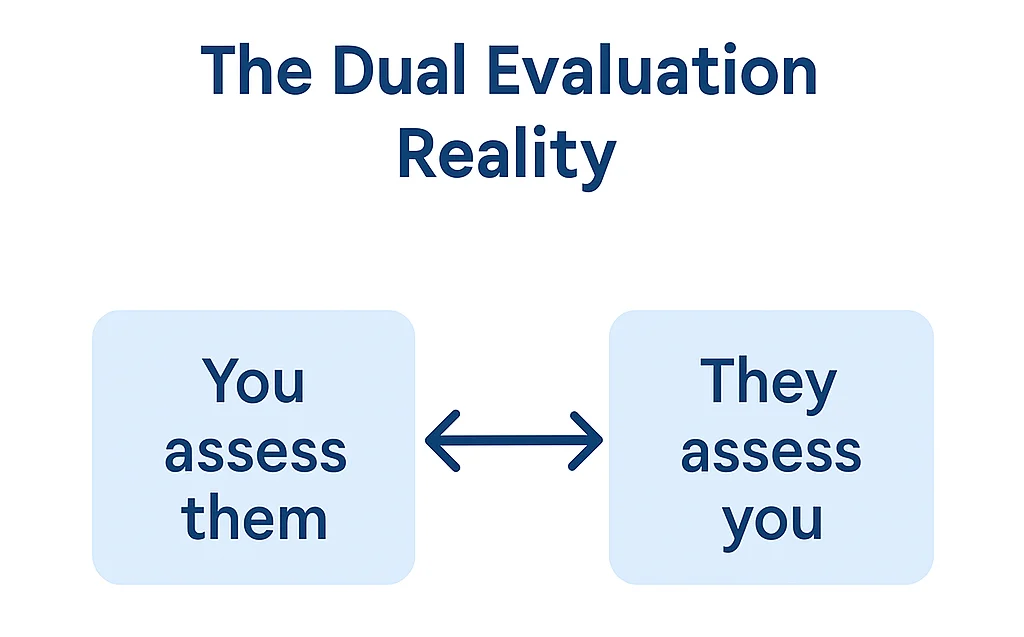
The Dual Evaluation Reality
Recruitment involves parallel assessments. While you evaluate candidates for job fit, they simultaneously evaluate you as a potential employer. Application processes, communication quality, assessment relevance, and interview professionalism all signal what working for your organization might be like.
Organizations that treat recruitment as purely evaluative miss this dynamic. Candidates aren’t passive subjects being screened. They’re making active decisions about whether to continue investing time in your process based on the experience you provide.
Why It Matters for Talent Acquisition
Poor candidate experiences drive quality applicants away, often after significant investment in sourcing and screening them. In competitive labor markets where demand for skilled talent exceeds supply, candidate experience frequently determines who succeeds in hiring.
ISO 30405 (Human resource management — Recruitment) emphasizes fair, transparent, and consistent recruitment practices, reinforcing candidate experience as a critical determinant of recruitment effectiveness and employer reputation.
The impact extends beyond individual vacancies. Candidates share their experiences through professional networks and platforms. Negative experiences damage your employer brand broadly, making future recruitment harder and more expensive across all roles.
Research indicates that recruitment experience affects post-hire outcomes. How candidates are treated during hiring influences their subsequent job satisfaction, engagement, and performance if employed. The process sets initial expectations and shapes perceptions that persist.
Employer Brand and Attraction
Before formal recruitment begins, your organization already has a reputation in the labor market. This employer brand reflects perceptions based on your business activities, public presence, and what current or former employees share about working there. Whether actively managed or not, this reputation exists and influences who applies to your opportunities.
BPTW Best Place To Work® certification evaluates candidate experience through recruitment consistency, communication quality, and alignment between employer brand promises and actual hiring practices.
Organizations with strong employer brands attract more qualified applicants and fill positions faster. Those with weak or negative reputations struggle to generate interest despite competitive compensation. Digital platforms amplify these reputations, giving candidates unprecedented access to insider perspectives.
Attraction isn’t passive. Organizations that engage potential talent before specific vacancies arise position themselves favorably when those individuals later explore opportunities. This proactive relationship-building creates awareness that converts to applications during active recruitment.
Process Design Impact
Every recruitment touch-point affects candidate perception. Confusing application systems frustrate applicants. Slow communication or no communication signals disrespect. Assessments that seem arbitrary or irrelevant create negative impressions about organizational judgment.
Key recruitment touch-points that shape candidate experience include:
- Job advertisement clarity
- Application system usability
- Timeliness of communication
- Interview structure and professionalism
- Transparency of decision-making
Fairness, respect, and relevance are critical throughout. When candidates understand why assessments are used and feel the process treats them equitably, perception remains positive even when they’re not selected. Conversely, opaque or seemingly unfair processes generate resentment that gets shared publicly.
The information exchange during recruitment matters significantly. Candidates continue researching your organization throughout the process. How you respond to questions, the clarity of role descriptions, and the professionalism of interviewers all contribute to their developing understanding of you as an employer.
Dropout Intelligence
Not every candidate who begins your process completes it. Some exit during application, others after initial screening. Understanding why people drop out provides valuable insight into process weaknesses.
Dropouts caused by poor communication, excessive delays, or negative interactions reveal fixable problems. Dropouts due to better opportunities elsewhere or personal circumstances are inevitable but less actionable. Distinguishing between these categories helps focus improvement efforts where they’ll have impact.
Measurement Drives Improvement
Organizations serious about candidate experience measure it systematically. Relevant metrics include applicant volume per vacancy, progression rates through recruitment stages, offer acceptance ratios, and candidates who actually start employment.
Survey feedback from all participants, including those who drop out or decline offers, reveals what’s working and what needs attention. Third-party administration increases honesty by removing concerns about bias or repercussion.
These measurements inform resource allocation decisions. Which recruitment sources produce quality applicants? Where do candidates exit the process most frequently? What aspects of the experience receive consistent criticism? Answers guide targeted improvements rather than guessing at problems.
The Compounding Effect
Candidate experience compounds over time. Organizations that consistently deliver positive experiences build reputations that strengthen with each hiring cycle, making subsequent recruitment easier. Those that neglect experience face increasing difficulty as negative reputations spread and calcify.
Recovery from damaged employer brands requires sustained improvement over extended periods. Prevention through good practice is far more efficient than reputation repair after problems become entrenched.
Market Context
Labor markets increasingly favor candidates, particularly for specialized or high-demand skills. Organizations compete for the same talent pools, differentiating through compensation, opportunity, and how they treat people during recruitment.
In this environment, candidate experience becomes competitive advantage. Organizations that provide professional, respectful engagement throughout recruitment succeed more consistently than those viewing the process as something done to candidates rather than with them.
The shift toward candidate-driven markets means talent acquisition increasingly resembles customer acquisition. Just as poor customer experience drives buyers to competitors, poor candidate experience drives talent elsewhere. Organizations that recognize this parallel adapt recruitment accordingly.
Image by : Chat GPT
Organizations that recognize recruitment as a strategic capability invest in systematic approaches to candidate experience. Learn how BPTW certification provides frameworks for structured recruitment, hiring, and talent management that build your reputation as an employer of choice.